
When it comes to planning for life after 50, 60, or beyond, housing choices become more than just a roof over your head, they are lifestyle decisions. Two terms frequently used in these discussions are active adult living communities and retirement communities. At first glance, they may seem interchangeable, but they serve very different purposes, cater to distinct lifestyles, and come with different costs and amenities. Understanding the real differences between active adult living vs retirement communities is essential to finding a 55+ community that aligns with your independence, social goals, and future needs.
In this comprehensive guide, we’ll break down everything you need to know about these senior housing options—from lifestyle and costs to healthcare access and housing types so you can make a well-informed decision.
What Is Active Adult Living?
An active adult living community is typically a 55+ age-restricted neighborhood designed for adults who want to maintain independence while enjoying a vibrant, socially connected lifestyle. These communities prioritize recreational and social activities over healthcare services.
Key Characteristics of Active Adult Living Communities
- Age-Restricted (55+): Residents must meet the minimum age requirement, creating a peer-focused social environment.
- Independent Living: Homes are designed for self-sufficient adults who do not require daily medical or personal care.
- Ownership Options: Homes can often be bought or rented, offering flexibility for different financial situations.
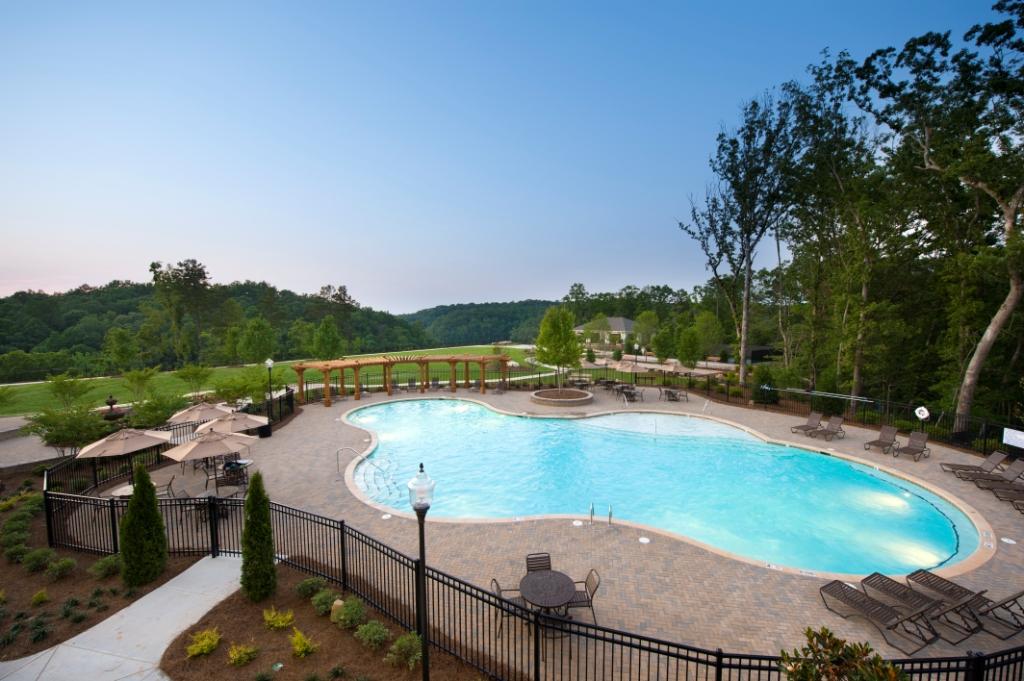
- Amenities & Lifestyle: Pools, clubhouses, fitness centers, walking trails, golf courses, and organized social events are standard features.
- Maintenance-Light: Many communities handle landscaping, exterior maintenance, and other tasks, allowing residents more free time.
Active adult communities often resemble resort-style neighborhoods, with a focus on fun, social engagement, and wellness rather than healthcare.
What Is a Retirement Community?
A retirement community is a broader term that encompasses independent living, assisted living, and continuing care retirement communities (CCRCs). These communities are designed for adults who prefer convenience, structured support, and often a higher level of medical care.
Key Characteristics of Retirement Communities
- Age-Restricted: Most retirement communities have minimum age requirements, but some are flexible.
- Bundled Services: Meals, housekeeping, laundry, transportation, and other amenities are often included in the monthly cost.
- Healthcare Access: Many offer on-site nurses, assisted living, or memory care for residents who need medical support.
- Primarily Rental-Based: Unlike active adult communities, retirement communities typically operate on a rental or monthly fee basis rather than on a home-ownership model.
- Higher Costs: Due to included services and healthcare access, monthly expenses tend to be higher than in active adult communities.
Retirement communities are ideal for individuals seeking convenience, social interaction, and peace of mind in knowing that care is available if needed.
Lifestyle Differences
Active Adult Lifestyle
- Self-Directed: Residents manage their own schedules, meals, and daily activities.
- Social Engagement: Clubs, hobbies, travel groups, and fitness activities are central.
- Peer-Focused: Living among peers fosters a strong sense of community.
- Neighborhood Feel: Streets and homes resemble traditional neighborhoods rather than institutional settings.
In short, active adult communities are designed for adults who want to stay active, independent, and socially engaged.
Retirement Community Lifestyle
- Structured Environment: Meals, activities, and events are often scheduled by staff.
- Support Services: Daily needs, including housekeeping, transportation, and healthcare support, are provided.
- Apartment or Suite Living: Housing is often apartment-style rather than individual homes, although some CCRCs offer cottages.
- Convenience-Oriented: Everything is provided in one place, which is especially helpful for those who prefer low-maintenance living.
While residents still socialize and enjoy activities, the emphasis is on convenience and security rather than self-directed independence.
Healthcare & Support
One of the most significant differences between active adult and independent living in retirement communities is medical care.
- Active Adult Living: No healthcare services are provided. Residents are expected to manage their own health and daily care.
- Retirement Communities: Services may include on-site nurses, assisted living, memory care, and 24/7 support.
If you are currently healthy, independent, and confident in your ability to care for yourself, an active adult community may be the better fit. Conversely, if you anticipate needing assistance soon, a retirement community may be a more practical option.
Housing Types
Active Adult Communities
- Single-family homes
- Townhomes
- Condos
- Manufactured homes
These housing options allow for a greater sense of ownership, personalization, and community identity.
Retirement Communities
- Apartments
- Suites
- Occasionally cottages
These are often designed to be low-maintenance and functional for residents who may require assistance.
Who Should Choose Active Adult Living?
Active adult living is ideal for individuals who:
- Value independence and privacy
- Enjoy social and recreational activities
- Prefer owning their own home
- Don’t need daily care or medical support
- Want lower ongoing living costs
This lifestyle suits adults who want to stay active, maintain their independence, and enjoy the freedom of self-directed living.
Who Should Choose a Retirement Community?
A retirement community may be right if you:
- Prefer bundled services like meals and housekeeping
- Anticipate needing healthcare or assistance soon
- Want everything conveniently located in one community
- Value structured social and recreational activities
- Are comfortable renting rather than owning
Retirement communities provide peace of mind and a safety net for individuals planning for future care needs.
55+ Communities vs Retirement Communities: Key Takeaways
When comparing 55+ communities vs retirement communities, consider the following:
- Independence vs Convenience: Active adult communities prioritize self-reliance; retirement communities emphasize ease and support.
- Ownership vs Rental: Active adult living often allows homeownership; retirement communities are mostly rental-based.
- Lifestyle: Active adult communities are activity-focused and socially vibrant, whereas retirement communities offer structured programs.
- Cost: Active adult communities usually have lower monthly costs; retirement communities are more expensive due to bundled services.
- Healthcare Access: Minimal in active adult living; more comprehensive in retirement communities.
How to Decide
When choosing between active adult living vs retirement communities, ask yourself:
- How independent am I today?
- What level of care might I need in the next 5–10 years?
- Do I want to own my home or prefer simplicity?
- Which lifestyle excites me the most?
Answering these questions honestly can guide you toward the community that best fits your current and future needs.
Final Thoughts
The decision between active adult living vs retirement communities ultimately comes down to independence versus convenience. Many seniors choose active adult living first, enjoying the freedom and lifestyle it offers, and transition to a retirement community later if care needs change. By understanding your priorities, lifestyle preferences, and healthcare requirements, you can make a confident decision and enjoy your next chapter with peace of mind