Choosing between renting and buying in a 55+ community is more than just a financial decision; it’s about shaping the kind of lifestyle you want in your retirement years. Some people value stability and long-term investment, while others prioritize flexibility and simplicity. Understanding how each option fits your personal goals will help you make a decision you can feel confident about.
Understanding Your Options
Buying in a 55+ Community
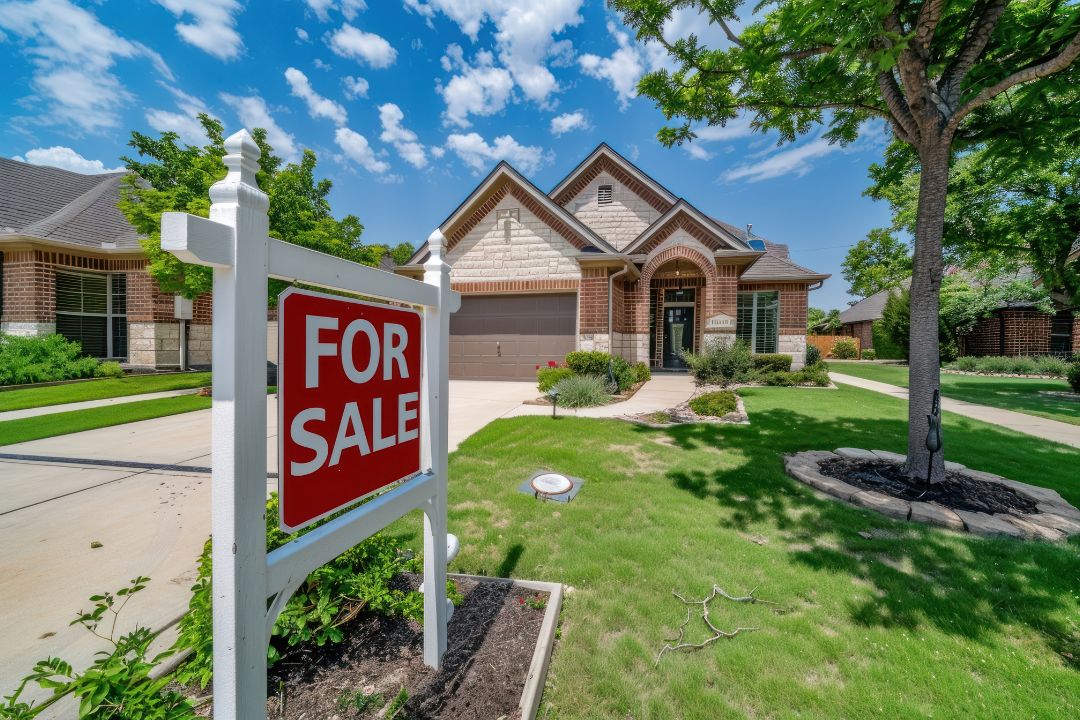
When you buy a home in a 55+ community, you’re investing in both a place to live and a long-term asset. These communities offer a range of housing options, including single-family homes, villas, townhomes, condominiums, and manufactured homes. Ownership comes with responsibilities, including paying property taxes, homeowners’ insurance, and monthly HOA fees, as well as handling maintenance and repairs. However, it also allows you to build equity over time and potentially benefit from property appreciation. Many buyers appreciate the sense of permanence and the freedom to personalize their living space.
Renting in a 55+ Community
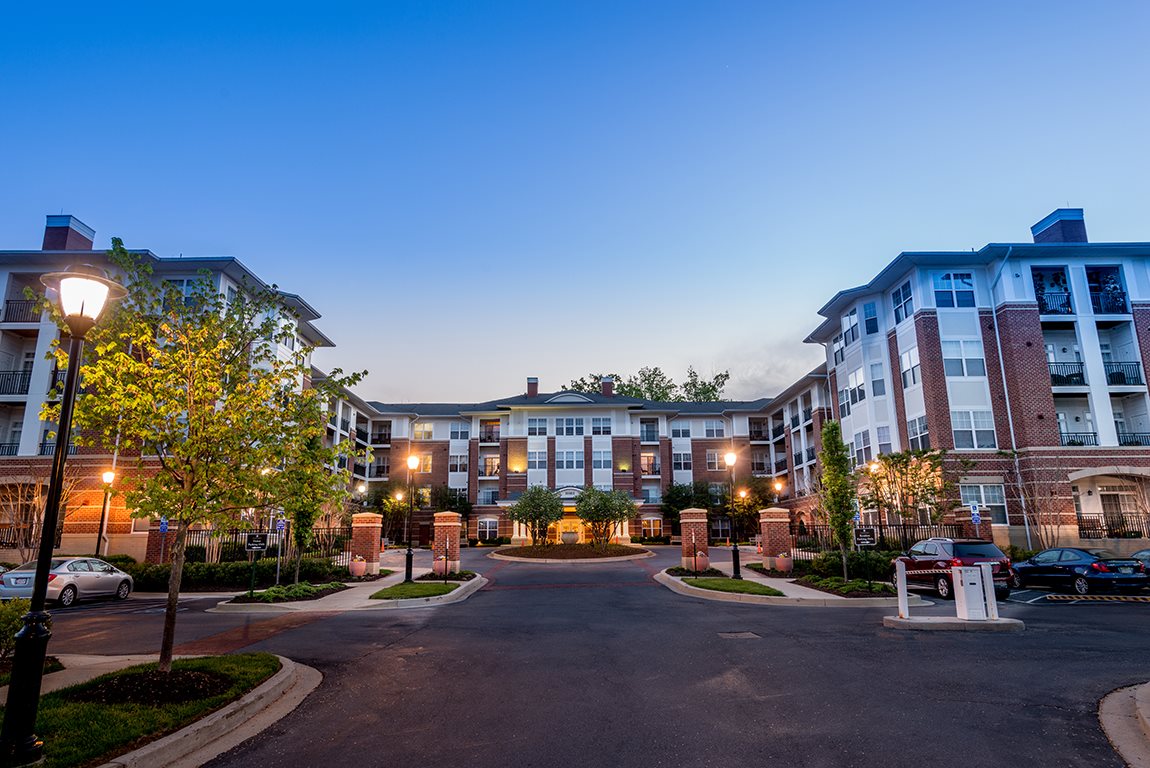
Renting in a 55+ community offers a more flexible, low-maintenance lifestyle. Options may include apartments, rental homes, or seasonal leases, especially in popular retirement areas. Renters typically don’t have to worry about property taxes or major maintenance costs, as these are often handled by management. HOA fees are usually included in the rent, making budgeting easier. However, unlike buying, renting does not build equity, meaning your monthly payments do not contribute to ownership.
Financial Comparison
Upfront Costs
Buying a home generally requires a significant upfront investment, including a down payment, closing costs, and moving expenses. Renting, in contrast, usually involves a security deposit and the first and last month’s rent. This makes renting a more accessible option for those who prefer lower initial costs or want to preserve their savings.
Monthly Expenses
Homeowners must budget for mortgage payments, HOA fees, property taxes, insurance, and ongoing maintenance. While these costs can be substantial, they may become more predictable over time, especially with a fixed-rate mortgage. Renters typically pay monthly rent, utilities, and optional renters’ insurance. Although renting is simpler, rent prices can increase over time, potentially making it more expensive in the long run without offering any return on investment.
Long-Term Financial Impact
Benefits of Buying
Buying a home allows you to build equity and benefit from potential property appreciation. Over time, your home can become a valuable asset that you can sell or pass on to your heirs. Fixed mortgage payments can also provide stability and predictability in your housing costs.
Benefits of Renting
Renting offers flexibility that buying cannot. It allows you to relocate easily, avoid the complexities of selling a home, and adapt quickly to changes in your lifestyle or health. This can be particularly important during retirement when priorities may shift unexpectedly.
Lifestyle Considerations
When Buying Makes Sense
Buying is often the better choice if you plan to stay in one place for several years, want to customize your home, and prefer a stable and consistent living environment. It also suits those who are comfortable managing a property and see their home as part of their financial strategy.
When Renting Makes Sense
Renting is ideal if you value flexibility, are still exploring different communities, or anticipate relocating in the future. It’s also a good option for those who want a maintenance-free lifestyle and fewer long-term responsibilities.
Risk Factors to Consider
Both renting and buying come with potential risks. Homeowners may face market fluctuations, rising HOA fees, and unexpected repair costs. Renters, on the other hand, may experience rent increases or changes in lease terms. Understanding these risks can help you prepare and make a more informed decision.
Hybrid Strategy: Rent Before You Buy
Many retirees choose to rent before committing to a purchase. This approach allows you to experience the community firsthand, meet neighbors, and evaluate amenities and overall lifestyle. It also gives you a clearer understanding of the true costs involved, helping you decide whether buying is the right next step.
Final Thoughts
Ultimately, the decision to rent or buy in a 55+ community depends on your personal priorities, financial situation, and long-term plans. Some people prefer the stability and investment potential of ownership, while others value the flexibility and simplicity of renting. There is no single right answer—only the choice that best aligns with how you want to live your next chapter.